
Make this information work for you
Notice the parts that fit your own question. Keep a short record of changes, bring your current medication list and use the questions below to prepare for a conversation. This guide cannot diagnose a condition or select a treatment for you.
Start with the reason for the visit
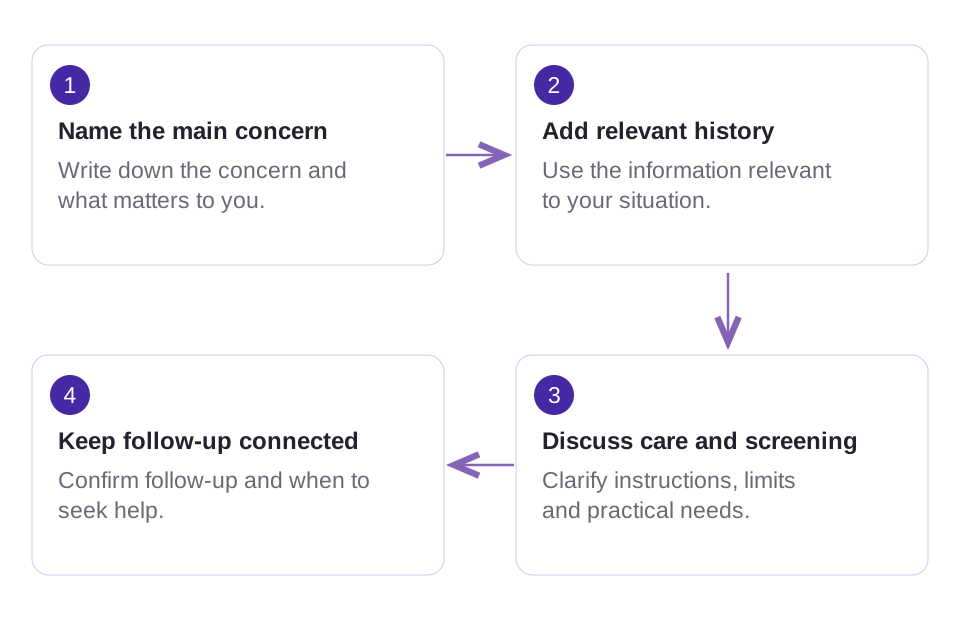
Name the most important concern
Explain whether you need help with pain, bleeding, dryness, a change in desire, urinary symptoms or a preventive-care question. Those concerns can overlap, but describing them separately makes it easier to plan an assessment. Tell the clinician which issue is affecting daily life most.
Add the relevant context
Age, menstrual pattern, pregnancy possibility, breastfeeding, contraception and previous treatment can affect a health discussion. Share the details relevant to the question without assuming that every symptom has a hormonal cause. Bring a medication list that includes nonprescription products and supplements.
Recording menstrual and bleeding changes
Note the timing, duration and impact of changes in bleeding, including whether they are new or recurrent. If an app helps, use it, but a simple written record is enough. You do not need a complete history before seeking help for a concerning change.
Ask which symptoms require faster assessment. New bleeding after menopause should be evaluated rather than assumed to be a routine hormonal variation. Heavy bleeding with faintness, severe pain or feeling acutely unwell may require urgent care. Describe these features directly when contacting a service.
Perimenopause and menopause conversations
The transition around menopause can involve changes in periods, temperature regulation, sleep and genital comfort. Experiences vary, and the best plan depends on which symptoms are troublesome and on your medical history. A broad hormone-balancing claim does not explain whether a particular treatment fits those concerns.
Prepare a short list of priorities for the visit. Ask whether the diagnosis is clear, what other explanations need consideration and which options address each symptom. If treatment is proposed, discuss its expected benefit, precautions and the point at which it should be reviewed.

Sexual discomfort and desire
Symptoms deserve a specific assessment
Persistent pain, dryness or a change in sexual function can be discussed without embarrassment or an obligation to accept a prescription. Explain the pattern, any skin or urinary symptoms and whether a product seems to worsen discomfort. Do not assume all genital symptoms represent the same infection.
Match the goal to the treatment
Products marketed for desire, comfort or appearance may serve very different purposes. Ask what the exact formulation is intended to do and whether it has evidence for your concern. A treatment for one symptom should not be presented as a universal solution for sexual wellbeing.
Preventive care and screening
Screening is intended for people without symptoms and is different from investigating a new problem. The appropriate schedule depends on factors such as age, history and prior results. Discuss which preventive checks apply to you instead of purchasing a large test package because it appears comprehensive.
Keep records of previous screening and ask who will follow up on a result. If a report recommends additional assessment, confirm the next step even if you feel well. Conversely, a recent normal screening result does not mean a new symptom should be ignored until the next routine screen.
Medicines, supplements and pregnancy considerations
Tell a prescriber or pharmacist if you are pregnant, could become pregnant or are breastfeeding before starting or changing treatment. Safety depends on the specific medicine, formulation and circumstances. A natural or topical product is not automatically free of relevant precautions.
Bring the complete label of any supplement marketed for hormones, energy or menopause. Check for overlapping ingredients across products and ask what benefit is supported. Do not stop an important prescribed medicine on your own; ask for a plan that considers both the treatment and the condition it controls.
You don’t need all the answers before asking for help
A clear description of what changed is a useful starting point.
Planning a comfortable examination
You can ask why an examination is recommended, what it involves and whether a chaperone or support person is available. Tell the clinician if pain, previous experiences or another concern may make it difficult. Understanding the process can help you make an informed decision.
Ask for an explanation of findings in ordinary language and whether further testing is needed. If several issues are discussed, request a written summary or make brief notes. A clear record is useful when a primary-care clinician and a specialist are both involved in follow-up.
Comparing online services
Confirm who provides clinical care, which symptoms can be assessed remotely and how an in-person referral is arranged when necessary. Check the total consultation, test, treatment and refill cost. A service should explain its limits rather than implying that every concern can be resolved by a questionnaire.
Look for a clear way to report adverse effects and receive results. Be careful with packages that combine unrelated products without explaining the role of each one. The proposed plan should remain understandable if the promotional name and discount are removed from the description.
Keeping care connected over time
At follow-up, compare the current situation with the goals agreed at the first visit. Include side effects, changes in bleeding, practical difficulties and new medicines. Your priorities may change, and the treatment plan should be reconsidered when the circumstances change.
Confirm the next review and any symptoms that require earlier contact. Keep important reports where you can find them and share them with the clinicians involved in your care. Continuity depends on clear information and follow-up, not on buying every product within a women's-health category.
Questions for your visit
- Which findings would explain the concern I have described?
- How would the proposed test or treatment change my care?
- What precautions apply to my medicines and health history?
- When should we review the plan, and what should prompt earlier help?
Common questions
Does every midlife symptom mean menopause?
No. Symptoms can have several explanations. Describe the pattern and relevant history so a clinician can decide whether menopause, another condition or several factors need consideration.
Should bleeding after menopause be checked?
Yes. New bleeding after menopause should be assessed. Do not assume it is a routine hormonal change or rely on a previous screening result to explain it.
Is screening the same as investigating a symptom?
No. Screening is for people without symptoms. A new concern may require assessment even when routine screening is up to date or a previous result was normal.
Are natural hormone-support products automatically safe?
No. Ingredients, amounts, interactions and pregnancy or breastfeeding considerations matter. Bring the exact label to a pharmacist or clinician before relying on a supplement's marketing claim.
Can every women's-health concern be managed online?
No. Some concerns require an examination or testing. Ask the service what it can assess remotely and how it arranges in-person care when needed.
What should I bring to a women's-health appointment?
Bring your main concerns, medication list, relevant bleeding or symptom notes and previous results. Include pregnancy possibility and treatment goals where relevant to the discussion.
Sources & further reading
These references provide background for the guide. Guidance and product information can change; check the original source and discuss personal decisions with your clinician.