
Make this information work for you
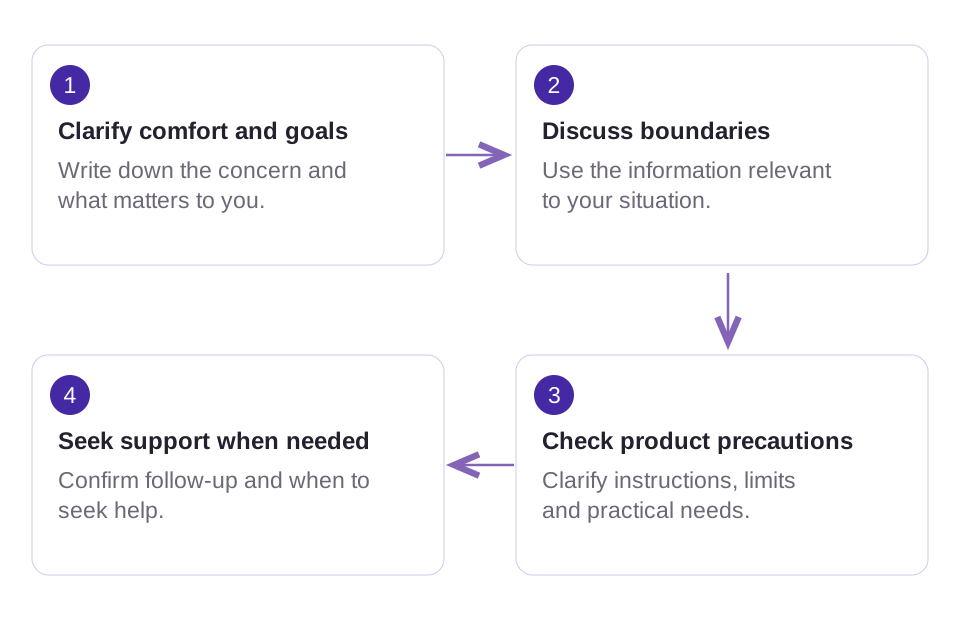
Notice the parts that fit your own question. Keep a short record of changes, bring your current medication list and use the questions below to prepare for a conversation. This guide cannot diagnose a condition or select a treatment for you.
Defining what matters to you
Wellbeing is personal
People differ in how often they want sexual activity, what feels comfortable and whether a change causes distress. Start with your own priorities instead of treating an advertisement or another person's experience as a target. A useful goal might be less discomfort, more confidence in communicating or help understanding a recent change.
Distinguish preferences from symptoms
A preference does not automatically need treatment. Persistent pain, bleeding, distress or a new change in function deserves a different conversation. Describe the specific concern and how long it has been present rather than asking a product to solve an undefined sense that something should be different.
Communication and consent
Talk about comfort, boundaries and expectations at a time when neither person feels pressured to continue an activity. Consent needs to remain voluntary, and either person can change their mind. Buying a product, being in a relationship or agreeing previously does not create an obligation to use it or to have sex.
Keep the conversation specific and kind. You can explain what you would like to try, what you want to avoid and what would make it easier to stop. Agreement about a product should include practical details such as cleaning, storage and whether it will be shared.
When discomfort needs assessment
Persistent or recurrent pain is a reason to seek clinical advice, not a signal to push through with stronger stimulation. Mention dryness, skin irritation, urinary symptoms, bleeding or changes in discharge when relevant. These details can help distinguish several possible causes without requiring you to identify one yourself.
If a product seems to trigger symptoms, stop using it and keep its ingredient or material information for the consultation. Avoid adding several new products at once, which can make it harder to identify the cause. Severe symptoms or an injury may need prompt assessment rather than routine follow-up.

Lubricants, condoms and materials
Check compatibility
Follow the condom and lubricant manufacturers' compatibility instructions. Oil-based products can damage latex condoms. A product described as soothing or natural is not automatically appropriate for every material or every person, particularly if it contains ingredients that have irritated your skin before.
Read the actual label
Check ingredients, intended use and any warnings before use. If you have a known sensitivity, a pharmacist or clinician can help you assess the specific formulation. Keep the package rather than relying on a shopping-page description that might omit details or change later.
Choosing consumer devices carefully
Consider cleaning instructions, materials, ease of stopping use and how the device can be safely removed. A product photograph does not establish those details. Do not use a device in a way the manufacturer does not intend, or improvise modifications that could create pressure, injury or electrical hazards.
Ask practical questions before spending: can it be cleaned as directed, are parts replaceable, and what is the return policy? Consumer wellness devices should not be assumed to treat diagnosed pelvic, urinary or sexual conditions. Seek professional advice when you are buying specifically to address a health symptom.
Infection prevention still matters
Condoms and other appropriate barriers can reduce the risk of certain sexually transmitted infections, but they do not eliminate every risk. Testing, vaccination discussions and a clinician's advice may also be relevant. A wellness product or a lubricant is not a substitute for an infection-prevention plan.
Discuss testing and protection without assuming that someone with no symptoms has no infection. If a condom breaks or another exposure concerns you, seek timely advice because some preventive options are time-sensitive. Ask the service which tests fit the exposure and when a result can be interpreted reliably.
You don’t need all the answers before asking for help
A clear description of what changed is a useful starting point.
Desire, medicines and life changes
Changes in desire can occur alongside stress, relationship changes, health conditions or medicines. If a change concerns you, bring your medication list and describe when it began. Do not stop prescribed treatment on your own because you suspect a sexual side effect.
Ask whether assessment, an alternative treatment or support from a qualified therapist might help. The goal is to understand your situation, not to match a universal frequency of sexual activity. A useful consultation should include your preferences and whether the proposed approach addresses the concern you actually have.
Privacy and purchasing decisions
Check who sells the product, what information is collected and whether there are recurring charges. Packaging claims about discretion do not explain a service's data practices. Share personal health details only where they are needed for care and where you understand the purpose of the request.
Keep receipts and product information if you may need to report a problem. Public reviews can help describe usability but cannot establish clinical safety or effectiveness for you. Avoid posting identifiable details about a partner or another person's health when discussing an experience online.
Finding the right kind of support
A primary-care clinician, sexual-health service or qualified therapist may help with different concerns. Explain whether you need assessment of a symptom, testing advice or support with distress and communication. You can ask what experience a professional has with the issue you want to discuss.
At the end of the visit, confirm the next step and how to return if the plan is not useful. Improvement may involve several conversations rather than a single purchase. You remain free to decline an activity, product or treatment that does not fit your comfort or priorities.
Questions for your visit
- Which findings would explain the concern I have described?
- How would the proposed test or treatment change my care?
- What precautions apply to my medicines and health history?
- When should we review the plan, and what should prompt earlier help?
Common questions
Is low sexual desire always a medical problem?
No. Desire varies, and a preference does not automatically require treatment. A change that causes distress or occurs with other symptoms can be discussed with a clinician who considers your circumstances.
Can I use any lubricant with a latex condom?
No. Oil-based products can damage latex. Check both products' compatibility instructions and ask a pharmacist if you are unsure about the specific formulation or material.
Should I continue an activity that repeatedly hurts?
No. Stop and seek advice about persistent or recurrent pain. A product or stronger stimulation should not be used to push through discomfort without understanding its cause.
Do wellness devices prevent sexually transmitted infections?
No. They do not replace barriers, testing or other appropriate prevention measures. Check cleaning and sharing instructions, and discuss exposure concerns with a sexual-health professional.
Can a medicine change sexual desire or function?
Some medicines can contribute to sexual changes. Bring the exact names and timing to a clinician, but do not stop or adjust prescribed treatment without a plan.
What should a sexual-wellness consultation focus on?
It should focus on your concern, comfort and goals. Explain whether you need help with symptoms, product precautions, testing, communication or distress so the support can match the issue.
Sources & further reading
These references provide background for the guide. Guidance and product information can change; check the original source and discuss personal decisions with your clinician.