
Make this information work for you
Notice the parts that fit your own question. Keep a short record of changes, bring your current medication list and use the questions below to prepare for a conversation. This guide cannot diagnose a condition or select a treatment for you.
Understanding a urinary tract infection
Bladder and kidney involvement
The urinary tract includes the kidneys, ureters, bladder and urethra. An infection affecting the bladder is different from an infection involving the kidneys. That distinction matters when deciding how urgently someone should be assessed and which treatment is appropriate.
Avoid diagnosing from one symptom
Burning, urgency or cloudy urine can prompt an assessment, but other conditions can produce overlapping symptoms. Explain the complete pattern, including pain, fever and any genital symptoms. Do not assume that a familiar sensation always means the same infection or that a previous prescription remains suitable.
What to tell the clinician
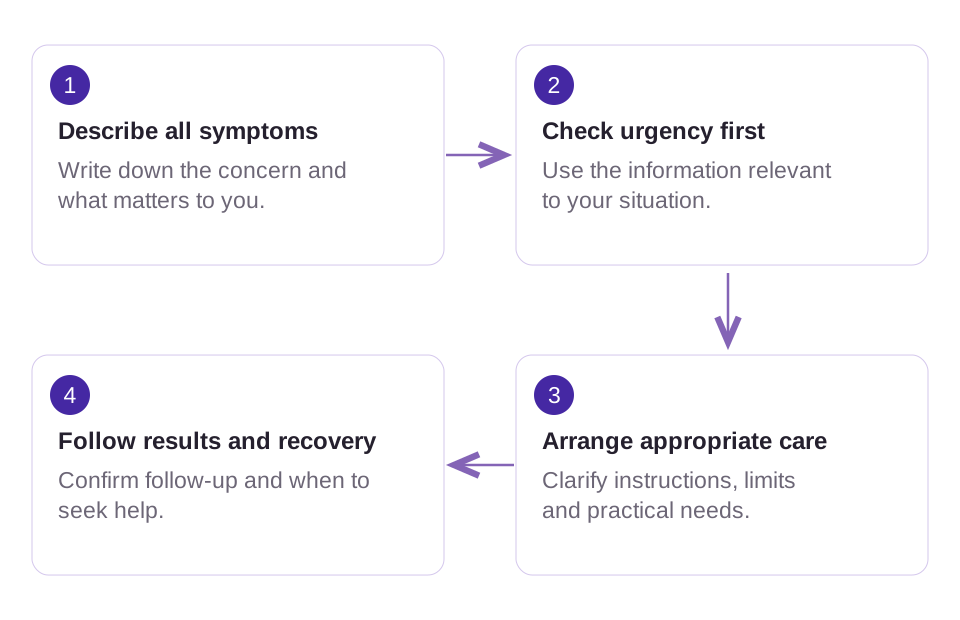
Describe when symptoms began, how severe they are and whether you have fever, chills, back or side pain, nausea or vomiting. Mention pregnancy or the possibility of pregnancy, relevant health conditions, recent procedures and previous UTIs. These details help determine the appropriate level of care.
Have your medication and allergy information available. If you previously had a urine culture, take the report when possible, especially if infections recur. Explain what happened with earlier antibiotics, including incomplete improvement or side effects, without assuming that the same treatment should automatically be repeated.
How urine tests fit into assessment
A clinician may use urine testing alongside the history and examination. Some tests can provide rapid clues, while a culture may help identify bacteria and guide treatment. The appropriate test depends on your circumstances rather than the size of a commercial testing bundle.
Follow the collection instructions carefully and ask what to do if you cannot provide the sample as requested. Confirm how you will receive results and whether the initial plan may change. A result needs interpretation with your symptoms; an abnormal-looking report should not become a reason to start leftover medicine yourself.

Limits of home UTI test strips
A clue rather than a complete answer
Home strips may measure indicators associated with infection, but they do not provide a full assessment or identify every cause of urinary symptoms. A negative result should not overrule concerning symptoms. Check the specific test's instructions and seek advice when the result does not fit how you feel.
Do not delay urgent care for a test
If you feel very unwell or have symptoms suggesting kidney involvement, arranging a home kit is not the next step. Contact a healthcare professional promptly. Keep the package details if you have already tested, and report when the sample was collected and how the result was read.
Antibiotic treatment and its limits
Bacterial bladder infections are commonly treated with antibiotics chosen for the individual situation. The choice can depend on factors such as allergies, pregnancy, kidney function and previous results. A medicine listed in a UTI shopping category is not automatically appropriate for every urinary infection.
Take the prescription exactly as directed and ask what improvement to expect. Contact the prescriber if symptoms worsen, fail to improve as expected or return. Do not share antibiotics or use an old supply to avoid an assessment; the wrong drug can delay appropriate care and cause adverse effects.
Comfort measures and prevention claims
Ask what you can do for discomfort while treatment takes effect and whether a nonprescription product is appropriate with your health conditions. Drinking advice may need to account for other medical problems. A product that changes discomfort or urine color does not necessarily treat an infection.
Cranberry products, supplements and hygiene products should not be assumed to cure an active UTI. If you are interested in prevention, discuss the evidence and your pattern of infections with a clinician. Separate a plan to reduce future risk from the immediate need to assess current symptoms.
You don’t need all the answers before asking for help
A clear description of what changed is a useful starting point.
Recurrent symptoms need a review
Repeated episodes deserve a review of the diagnosis and previous results. Ask whether each episode was confirmed, whether another condition could contribute and what further assessment might be useful. Keeping dates and treatment names can make this discussion more accurate without requiring a complicated diary.
Agree on how to seek help for the next episode. Some people may receive a specific clinician-led plan, but that should include clear instructions and limits. Do not borrow someone else's approach to recurrent UTIs or treat every new symptom as confirmation that the same plan applies.
When to seek faster help
Fever, chills, pain in the back or side, vomiting or feeling seriously unwell can indicate a more significant infection and need prompt assessment. Urinary symptoms during pregnancy also warrant timely medical advice. If you are rapidly deteriorating or have emergency symptoms, use emergency services rather than waiting for a delivery.
When you contact a service, state those symptoms first. Explain whether you can keep fluids and medicines down and whether you have already started treatment. A clear description helps the clinician decide whether a routine remote consultation is sufficient or whether you need in-person care.
Closing the loop after treatment
Confirm how test results will be followed and whether another review is needed. Keep the prescription details and any culture report. If a treatment was changed after results arrived, record the revised instructions so that an old message does not create confusion.
Report symptoms that persist or return instead of repeatedly buying another home test. Ask what would count as recovery and what should trigger another assessment. A useful follow-up plan explains both the expected course and the route back to care if it does not happen.
Questions for your visit
- Which findings would explain the concern I have described?
- How would the proposed test or treatment change my care?
- What precautions apply to my medicines and health history?
- When should we review the plan, and what should prompt earlier help?
Common questions
Can a negative home UTI strip rule out infection?
No. Home tests have limitations and need to be considered alongside symptoms. Seek advice if symptoms persist, worsen or include fever, back pain or other concerning changes.
Can nitrofurantoin treat every urinary infection?
No. Antibiotic choice depends on the infection and individual factors. Do not choose a medicine from a store category or assume that a previous prescription is suitable for a new episode.
Do cranberry products cure an active bladder infection?
They should not be relied on as treatment for an active infection. Discuss current symptoms with a healthcare professional and consider prevention questions separately from immediate treatment.
What UTI symptoms suggest I need prompt assessment?
Fever, chills, back or side pain, vomiting and feeling very unwell need prompt advice. Pregnancy also changes the assessment. Use emergency services if you are rapidly deteriorating or have emergency symptoms.
Should I use antibiotics left over from a previous UTI?
No. Seek an appropriate assessment and follow the current prescription. Leftover treatment may be the wrong medicine or amount and can delay care for a different problem.
What is helpful to record when UTIs recur?
Keep dates, symptoms, urine results and treatment names, including any adverse effects. This helps a clinician review whether episodes were confirmed and plan appropriate follow-up.
Sources & further reading
These references provide background for the guide. Guidance and product information can change; check the original source and discuss personal decisions with your clinician.