
Make this information work for you
Notice the parts that fit your own question. Keep a short record of changes, bring your current medication list and use the questions below to prepare for a conversation. This guide cannot diagnose a condition or select a treatment for you.
Start with health goals, not a promised number
A weight-management assessment can consider blood pressure, blood glucose, sleep, mobility and other health concerns alongside body weight. Weight alone does not describe every aspect of health. Obesity can increase the risk of several conditions, but the risks and priorities differ between people. A clinician can help decide which outcomes are meaningful for your circumstances.
Describe what you would like to make easier in daily life and what previous attempts have involved. This is useful information, not a test of willpower. A plan should be practical enough to revisit over time. Ask how success will be assessed beyond a before-and-after photograph or a number selected by an online advertisement.
Who may be considered for weight-management medication?
General prescribing thresholds
For adults, clinicians commonly consider prescription weight-management medicines at a body mass index of 30 or above, or 27 or above with a weight-related health condition. These are general thresholds, not automatic approval criteria. The exact indication, medical history, other medicines and product-specific restrictions still matter.
How medicines fit into wider care
Medicines are generally used alongside nutrition, physical activity and behavioral support rather than as a complete substitute for them. A consultation should explain why a particular option is being considered and what alternatives exist. Do not assume that a product advertised for diabetes has the same indication or prescribing plan when the goal is weight management.
How treatment approaches differ
Different mechanisms and levels of support
Weight-management medicines do not all act in the same way. Some influence appetite or feelings of fullness; orlistat reduces absorption of some dietary fat. Other approaches can include structured lifestyle support, specialist care, devices or surgery when appropriate. The choice depends on individual needs and the expected balance of benefit and risk.
Interpreting comparisons between studies
Comparing percentage weight-loss figures from unrelated studies can be misleading. Study populations, treatment duration and the support offered may differ. Ask which evidence applies to the exact medicine and situation being discussed. A useful comparison also considers side effects, route of administration, availability, ongoing cost and the plan for monitoring, rather than focusing on one headline number.

Where orlistat fits
How it works in the digestive tract
Orlistat acts in the digestive tract by reducing absorption of some of the fat in food. Prescription and nonprescription products exist, with different strengths and instructions. It is not an appetite suppressant and is not a way to cancel out an unrestricted diet. Its use is linked to a reduced-calorie eating plan and the instructions for the particular product.
Meals and product-specific instructions
Because its action is related to dietary fat, the eating pattern and gastrointestinal effects are part of the treatment discussion. Ask the pharmacist to explain how the medicine fits with meals, what to do when a meal is missed and how to handle other medicines. Keep the patient leaflet available so you can check the exact instructions for your product.
Side effects, vitamins and interactions
Bowel effects and vitamin absorption
Orlistat commonly changes bowel habits, including oily stools, urgency or leakage. These effects can affect work, travel and day-to-day routines, so they deserve an honest discussion before treatment. It can also reduce absorption of fat-soluble vitamins. A pharmacist or clinician should explain any recommended vitamin supplement and its timing.
Other medicines and symptoms to report
Share all medicines and supplements, especially if you use treatments such as warfarin, levothyroxine or cyclosporine. Some health conditions make orlistat unsuitable. Report severe or persistent abdominal symptoms and signs such as jaundice or dark urine promptly. Do not add another weight-loss medicine or supplement without checking interactions and the overall plan.
What a useful follow-up plan includes
Before starting treatment, agree when you will review progress and which symptoms should prompt earlier contact. Monitoring can include tolerability, health measures, nutrition and whether the plan remains workable. Different medicines have different criteria for continuing or changing treatment; there is no single stopping rule that should be copied across all products.
Keep notes about benefits and difficulties that matter to you. These might include a change in appetite, gastrointestinal symptoms, the ability to follow meal guidance or problems obtaining refills. If the treatment is not helping enough, the next step is a clinical review rather than increasing a dose yourself. Long-term support matters because maintaining changes can be as challenging as beginning them.
You don’t need all the answers before asking for help
A clear description of what changed is a useful starting point.
Choose support you can maintain
A credible weight-management program should explain its approach, who provides care and what ongoing support is available. Useful plans take account of food preferences, activity limitations, schedules and previous experience. Be cautious about claims of dramatic results without effort, rigid guarantees or expensive add-ons presented as essential for everyone.
Ask whether support includes an appropriately qualified nutrition professional and how the program adapts when circumstances change. Sleep, daily routines and access to food or activity opportunities can affect how practical a plan feels. A sustainable approach should allow discussion of setbacks without blame. The aim is a routine that supports health over time, not a short period of restriction followed by no follow-up.
Plan for access, refills and changes in treatment
Before starting a prescription or subscription, ask for the full ongoing price. Separate consultation, medicine, supplies, delivery and follow-up charges. Insurance coverage and availability may change, so ask how to contact the service if a refill is delayed or the cost becomes difficult to manage. An introductory price is not enough information for a long-term decision.
Ask what will happen if the medicine is stopped, changed or unavailable. A clear transition plan is more useful than an assumption that you will stay on one product indefinitely. Keep the exact medicine and formulation recorded, and check any proposed substitution with the prescriber. Products with related names or ingredients are not automatically interchangeable.
Prepare a useful progress note for follow-up
A brief progress note can cover the treatment you are using, any difficulty following its instructions and the changes that matter most to your everyday life. Include side effects, problems obtaining refills and questions about food or activity guidance. If the plan includes measurements, use the schedule agreed with the care team so comparisons are meaningful. You do not need a perfect diary to describe what is working and what is difficult.
Ask the clinician to explain the next review point, who will check other medicines and how changes in your health affect the plan. If cost or access becomes a problem, raise it before you run out when possible. Follow-up should also address what support remains available if medication changes or stops. The aim is continuity of care, with practical decisions that can be revisited as circumstances change.
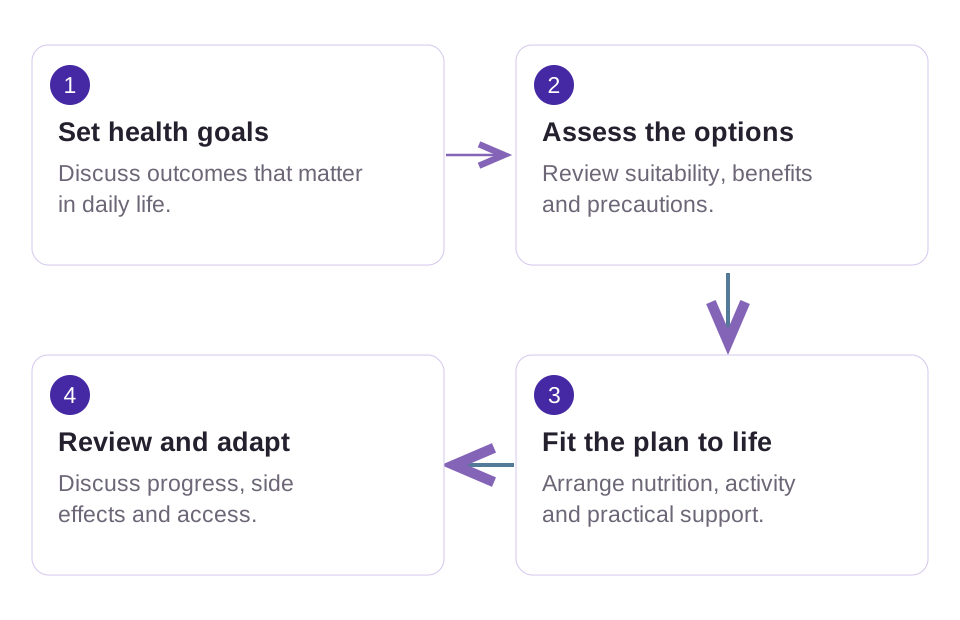
Questions for your visit
- Which health outcomes are we trying to improve, and how will we measure them?
- Am I a candidate for medication, and why is this option being considered?
- Which side effects, interactions or symptoms should I watch for?
- What nutrition support and follow-up will accompany the prescription?
- What is the ongoing cost, and what happens if treatment becomes unavailable or unaffordable?
Common questions
Is orlistat an appetite suppressant?
No. Orlistat reduces absorption of some dietary fat. Other weight-management medicines act differently, so their benefits, instructions and precautions should not be assumed to apply to orlistat.
Does meeting a BMI threshold guarantee a prescription?
No. BMI is one part of the assessment. A clinician also considers health conditions, other medicines, product-specific indications, risks and whether the treatment fits the overall care plan.
Do I still need an eating and activity plan with medication?
Yes. Weight-management medicines are generally used with nutrition, activity and behavioral support appropriate to the individual. Medication does not replace the need for a sustainable plan.
Why are vitamins discussed with orlistat?
Orlistat can reduce absorption of some fat-soluble vitamins. Ask your clinician or pharmacist which supplement is appropriate and how to separate it from the medicine according to the product instructions.
Can I combine different weight-loss products?
Do not combine prescription medicines or add weight-loss supplements without clinical advice. Interactions and overlapping adverse effects need to be assessed for the actual products involved.
What if I cannot continue paying for treatment?
Contact the prescribing service before a refill is due and ask about alternatives and a transition plan. Do not change the dose or substitute another product on your own to make supplies last longer.
Sources & further reading
These references provide background for the guide. Guidance and product information can change; check the original source and discuss personal decisions with your clinician.