
Make this information work for you
Notice the parts that fit your own question. Keep a short record of changes, bring your current medication list and use the questions below to prepare for a conversation. This guide cannot diagnose a condition or select a treatment for you.
Start with the symptoms
Describe the change over time
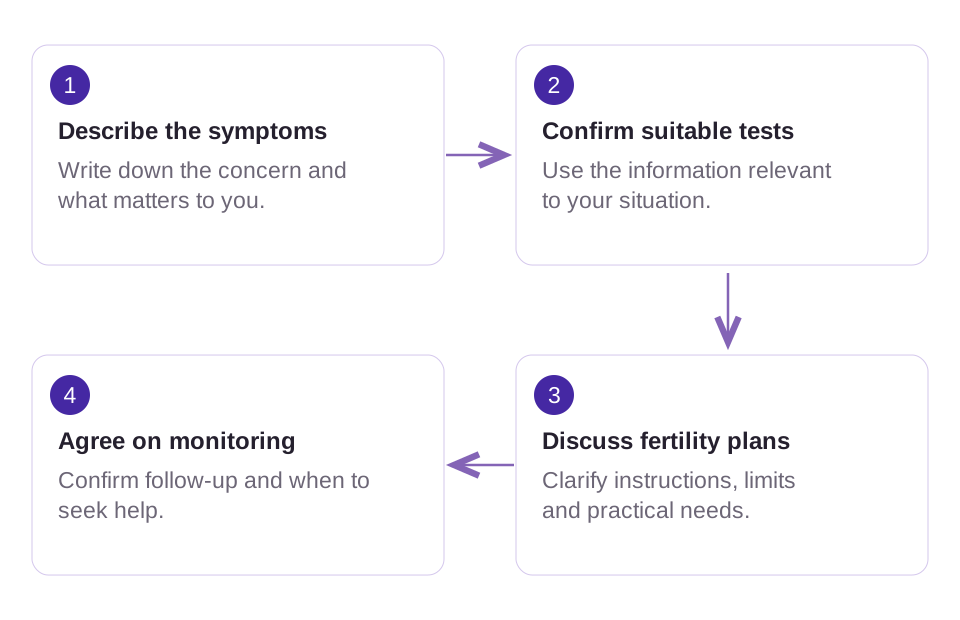
Tell the clinician what changed, when it began and how it affects your life. Low desire, erection changes, fatigue and mood concerns deserve clear descriptions rather than being grouped together as low T. Mention sleep, recent illness, weight changes and the medicines or supplements you take.
Keep competing explanations open
Several health problems can produce overlapping symptoms. A consultation should consider the wider history, not simply match a symptom checklist to a product. Explain which concern matters most to you so testing and follow-up can answer a useful question rather than generate a large collection of unrelated results.
What a low-testosterone diagnosis involves
The Endocrine Society describes diagnosis using compatible symptoms together with consistently low testosterone measurements. Testing generally includes repeat early-morning blood samples. Results need clinical interpretation because laboratory methods, timing and temporary health factors can affect the numbers.
Ask what the test is intended to establish and whether anything about your current circumstances affects its timing. Do not arrange repeated tests merely to find the lowest result. If two reports differ, take both to the clinician with their dates, collection times and laboratory reference ranges.
Using home and laboratory tests carefully
A home collection kit and a clinic blood draw may offer different services. Check the sample type, laboratory arrangements, instructions and whether a clinician will interpret the result. An attractive dashboard does not explain whether the test answers the question relevant to your symptoms.
Before paying, ask about invalid samples, repeat collection and follow-up costs. Keep the full report rather than only a screenshot of a colored result flag. The report's units and reference range matter, and a result outside a displayed range is a reason for interpretation rather than a self-prescribing instruction.

Hormone treatment and fertility
Discuss future plans before treatment
Prescription testosterone can suppress sperm production. Tell the clinician if you want children now or may want them later, even if fertility is not the reason for the appointment. A treatment discussion should include this issue before therapy begins.
Ask which problem is being treated
Different causes of low testosterone can require different approaches. Ask whether the plan is to replace a hormone, investigate an underlying cause or address another condition. Treatments promoted alongside testosterone products are not automatically equivalent, and the choice should follow the assessment rather than a package offer.
Comparing formulations and monitoring
Prescription testosterone comes in different forms, with practical differences in administration and precautions. Ask how the proposed formulation would fit your routine, how treatment would be monitored and what information is needed at follow-up. A convenient schedule alone does not establish that a formulation is the best fit.
Discuss who will arrange blood tests, how results will be communicated and what happens if you move or change providers. Keep a record of the medicine, start date and agreed plan. Do not change the amount or interval based on how energetic you feel on a particular day.
Supplements marketed as boosters
Products labeled testosterone support may contain vitamins, herbs or mixtures with limited evidence for the promised outcome. Correcting a confirmed deficiency is different from assuming that more of an ingredient will raise testosterone or improve symptoms. Supplements can also interact with medicines.
Compare the actual ingredients and amounts, not only the product's name. Bring the label to a pharmacist or clinician and ask what benefit is realistically supported for your situation. Be cautious with multiple overlapping products, which can make it difficult to identify what caused a side effect or whether anything helped.
You don’t need all the answers before asking for help
A clear description of what changed is a useful starting point.
Sleep and the wider health plan
Poor sleep, stress and other health concerns can affect how you feel, regardless of your testosterone result. Mention loud snoring, witnessed pauses in breathing, unusual daytime sleepiness and difficulty maintaining a regular sleep schedule. These details can lead the assessment toward issues that a hormone product would not resolve.
Agree on a manageable set of next steps. That might include further assessment, a medication review or support for an existing condition. Keep the goals specific enough to discuss at follow-up, such as improved daytime functioning, rather than expecting one laboratory value to explain every aspect of wellbeing.
Questions about commercial treatment programs
Ask which clinician is responsible for your care and whether the service can review your complete medical history. Clarify consultation, medicine and laboratory costs, the review schedule and cancellation terms. A recurring shipment should not replace an explanation of whether treatment remains appropriate.
If a service recommends several products at once, ask what each one is for and how its effect will be evaluated. Request the names and regulatory status of the exact medicines. An ingredient discussed online may have a different role from the one implied by a broad testosterone-support category.
Reviewing benefit and burden
At follow-up, describe changes in the symptoms that prompted treatment, any adverse effects and practical difficulties. Ask how the clinician interprets those changes alongside monitoring results. A number moving in the desired direction is only part of a treatment review.
Confirm what happens next if benefit is limited or your priorities change. Fertility plans, new medicines and new diagnoses can all alter the discussion. Keep the prescriber informed and request a supervised plan for changes rather than stopping, restarting or combining hormone-related products on your own.
Questions for your visit
- Which findings would explain the concern I have described?
- How would the proposed test or treatment change my care?
- What precautions apply to my medicines and health history?
- When should we review the plan, and what should prompt earlier help?
Common questions
Does fatigue prove that testosterone is low?
No. Fatigue has many possible explanations. A clinician should consider your symptoms and medical history before deciding whether testosterone testing or another assessment is appropriate.
Is one low testosterone result enough?
Usually not. Diagnosis generally requires compatible symptoms and repeat appropriately timed measurements. The collection time, laboratory range and temporary health factors should be reviewed with the clinician.
Can testosterone treatment affect fertility?
Yes. Prescription testosterone can suppress sperm production. Discuss current and future fertility plans before treatment so they can be included in the choice of approach.
Are testosterone boosters the same as prescription testosterone?
No. Supplements and prescription hormone treatment are different products with different evidence, regulation and precautions. A booster label does not establish that a product treats diagnosed hormone deficiency.
Should I adjust testosterone according to daily energy?
No. Follow the prescribing and monitoring plan. Changes in energy do not provide a reliable basis for adjusting the amount or interval of a hormone medicine yourself.
What information should accompany a testosterone report?
Keep the full result with its date, collection time, units and laboratory reference range. Include your symptoms, current medicines and previous reports when discussing its meaning.
Sources & further reading
These references provide background for the guide. Guidance and product information can change; check the original source and discuss personal decisions with your clinician.