Make this information work for you
Notice the parts that fit your own question. Keep a short record of changes, bring your current medication list and use the questions below to prepare for a conversation. This guide cannot diagnose a condition or select a treatment for you.
Start with the skin problem you want to treat
Blackheads, whiteheads, inflamed spots and deeper painful lesions do not all respond in the same way. A clinician can assess the pattern and severity and consider the risk of scarring. Some conditions, including folliculitis and certain forms of dermatitis, can look like acne but need different care. This is one reason a photograph of somebody else's routine is a poor substitute for a diagnosis.
Explain whether you mainly want fewer new breakouts, less discomfort or help with marks that remain afterwards. If acne is affecting your confidence or daily life, include that too. The impact of the problem is relevant even when the affected area looks small to another person.
How acne treatment options differ
Different treatments address different problems
Acne treatments address different processes in the skin. A topical retinoid may help keep pores from becoming blocked. Other options, such as benzoyl peroxide or selected prescription treatments, may be used when inflammation or other factors are important. Some people need oral treatment or specialist assessment, particularly when acne is severe or leaves scars.
Understanding a combination plan
A combination plan should come with a clear explanation of what each product is intended to do. More active ingredients do not automatically mean better treatment. If a plan is too uncomfortable, expensive or complicated to follow, discuss that before adding another product. Ask which part of the routine is essential and which parts are optional.
Where topical tretinoin fits
Product, formulation and treatment goal
Tretinoin is a prescription topical retinoid used for acne. Certain formulations also have specific uses for signs of sun-damaged skin, but that does not make every tretinoin product interchangeable or a treatment for every cosmetic concern. The product, strength and reason for prescribing it should be clear.
Following your own prescription
Use the instructions provided for your own prescription. Applying a larger amount or applying it more often than directed can increase irritation without providing a dependable faster result. If you are unsure about the application area or how it fits with other products, ask your pharmacist to walk through the routine. Ask which formulation you have, what precautions apply and how the routine should change if irritation becomes troublesome.

Build a routine around tolerability
Cleansing and everyday habits
A simple routine makes it easier to tell what is helping and what is irritating the skin. Gentle cleansing and avoiding vigorous scrubbing are useful starting points. Pick products appropriate for acne-prone skin, and avoid repeatedly changing several things at once. Picking or squeezing spots can make inflammation and marks worse.
Fitting medicines into the routine
Write down the order and frequency advised by your clinician, including where moisturizer and sun protection belong. Check before adding exfoliating acids, abrasive scrubs or another retinoid. If your current cleanser or cosmetic product stings, mention it rather than assuming the prescription is the only possible cause. Bring product names or ingredient lists to the appointment if the routine is complicated.
What to expect over the first few months
Acne treatment usually needs time. Early improvement may take several weeks, and the review interval depends on the treatment and severity. A change in skin texture from one day to the next is not the same as a clear reduction in new lesions over time. Your prescriber can explain which signs of progress to look for.
Consider noting the number of new painful breakouts, how comfortable the routine feels and whether it is practical to maintain. Photographs taken under similar conditions can support a discussion, but lighting and makeup can distort comparisons. A useful follow-up asks both whether the skin is improving and whether the treatment remains tolerable. Do not wait for a scheduled review if symptoms are severe.
Irritation is a reason to review the plan
When discomfort needs advice
Dryness, redness or peeling can occur with topical tretinoin. However, severe discomfort should not be treated as proof that a product is working. Contact the prescribing clinician if irritation is marked, persistent or makes it hard to continue the routine. Swelling, blistering, breathing difficulty or other signs of a serious reaction require prompt medical attention appropriate to the symptoms.
Sun exposure and other sources of irritation
Tretinoin can make treated skin more sensitive to sun exposure. Follow the product advice on sunscreen, clothing and avoiding tanning. Ask how to manage other factors that affect the skin, including cold weather, wind, shaving or cosmetic procedures. The answer may involve adjusting the plan, not simply adding another active product.
You don’t need all the answers before asking for help
A clear description of what changed is a useful starting point.
Pregnancy and treatment planning
Tell the clinician if you are pregnant, planning pregnancy or breastfeeding before starting acne medication. Some treatments need to be avoided or changed. Dermatologists generally advise stopping topical tretinoin during pregnancy, while oral isotretinoin has particularly serious pregnancy risks and is a different medicine with different controls. Do not treat similar-sounding drug names as equivalent.
If pregnancy occurs while you are using a prescribed product, contact the prescriber for individual advice. Keep the product name, strength and use dates available. Do not substitute a product advertised as natural without checking its ingredients and suitability. Pregnancy-safe skin care is best planned around the actual diagnosis and the full list of products being used.
Compare prescriptions and online skin-care plans
When comparing services, ask whether the product is a standard prescription medicine or a compounded mixture and which ingredients it contains. A percentage on a bottle is only part of the description: formulation, instructions and the condition being treated also matter. Check the full ongoing cost, including follow-up and any products bundled into a subscription.
Ask who will assess unexpected symptoms and how to request a change if the plan is not suitable. Before-and-after pictures cannot establish how your own skin will respond. A useful service should make it possible to discuss treatment goals, limitations and tolerability. Keep the prescription label and instructions so you can show another clinician exactly what you are using.
Write down the routine before adding another product
A short routine record can include each product name, its purpose, the application instructions you were given and when you started it. Include cleansers, moisturizers, sunscreens and cosmetics as well as prescription products. If you are unsure about the order of use, ask the pharmacist or clinician to make it explicit. That is more useful than trying to combine several unrelated routines found online.
When reporting a problem, say where it occurs, how uncomfortable it is and which products touch that area. Keep packaging or ingredient lists if possible. Ask who to contact if you cannot tolerate the plan before the scheduled follow-up. The next decision should take account of the skin problem, the prescription and the rest of the routine, rather than treating every change as a reason to buy another active ingredient.
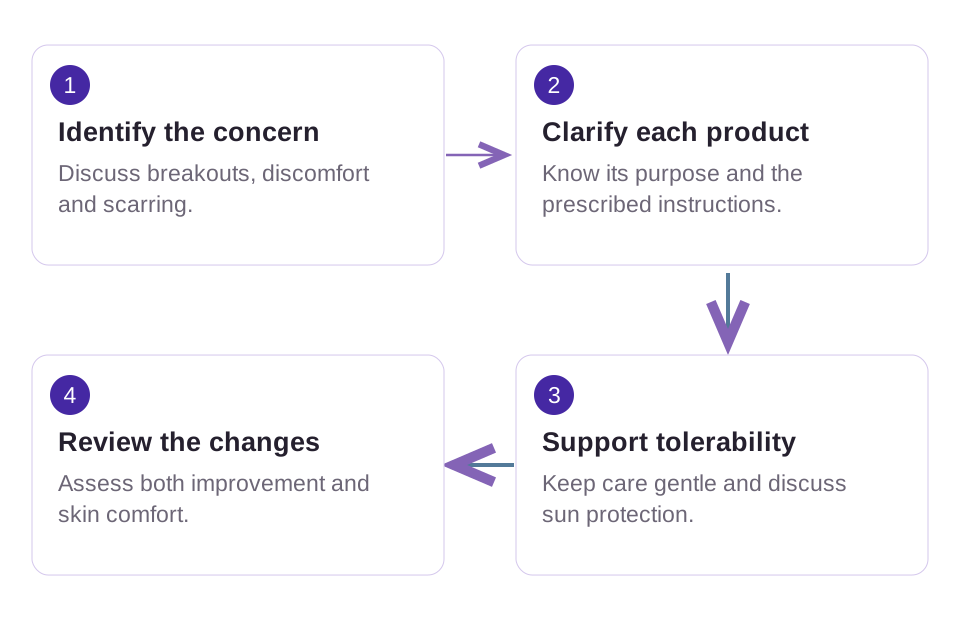
Questions for your visit
- Is this acne, or could another condition explain the bumps or redness?
- Which concern should we treat first: new breakouts, discomfort, marks or scarring?
- How should each prescribed product fit with my cleanser, moisturizer and sunscreen?
- What degree of irritation is expected, and when should I contact you?
- When should we review results, and which products should I avoid adding meanwhile?
Common questions
Is tretinoin the same as retinol?
No. They are related to vitamin A but are different ingredients with different products and instructions. Tretinoin is a prescription medicine; do not substitute or combine products based only on the word retinoid.
Can I use more tretinoin for faster results?
Do not exceed the amount or frequency prescribed. More frequent or heavier application can increase irritation and does not provide a reliable faster response.
How long does acne treatment take?
Improvement usually takes weeks, and the full assessment period depends on the treatment and severity. Ask your clinician when to review progress and which changes should prompt earlier contact.
Should I keep using a product if it burns badly?
Severe or persistent irritation needs advice from the prescribing clinician. Do not interpret significant burning, swelling or blistering as a necessary stage of successful treatment.
Can tretinoin be used during pregnancy?
Dermatologists generally recommend stopping topical tretinoin during pregnancy. Discuss pregnancy plans and all skin products with your clinician so an appropriate alternative can be considered.
Do acne treatments also remove scars?
Treating active acne and treating established scars are different goals. A clinician can distinguish temporary marks from scars and explain when separate treatment might be appropriate.
Sources & further reading
These references provide background for the guide. Guidance and product information can change; check the original source and discuss personal decisions with your clinician.