
Make this information work for you
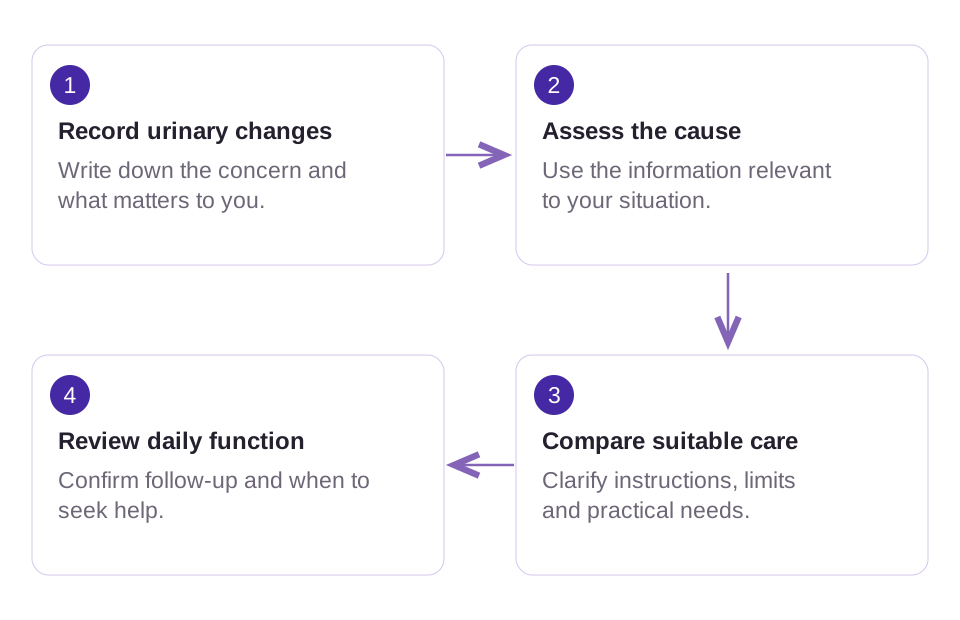
Notice the parts that fit your own question. Keep a short record of changes, bring your current medication list and use the questions below to prepare for a conversation. This guide cannot diagnose a condition or select a treatment for you.
Different prostate conditions need different care
Enlargement, inflammation and cancer
Benign prostatic hyperplasia, often called BPH, is noncancerous prostate enlargement. Prostatitis involves inflammation and can have different causes. Prostate cancer is a separate condition. The fact that these conditions involve the same gland does not make their tests or treatments interchangeable.
Symptoms do not identify the cause
A weak stream or frequent urination does not establish BPH, and urinary symptoms can have causes outside the prostate. Start by describing what happens rather than assuming a diagnosis. An assessment can help identify which explanation fits and whether further testing is needed.
Building a useful symptom record
Note when symptoms began, whether they are changing and which daily activities they affect. Include difficulty starting, urgency, leakage, pain and how often you wake to urinate. A short record over ordinary days may be more useful than trying to remember your worst night at the appointment.
Bring your medication list, including cold remedies, allergy products and supplements. Ask the clinician whether anything you take could contribute to the problem. Do not stop prescribed treatment on your own; the aim is to review the whole plan and avoid solving one symptom by worsening another condition.
What to expect at an appointment
Assessment may involve your history, an examination and selected urine or blood tests. Other investigations depend on what the clinician finds. Ask what each test would clarify and how its result would change the next step. Not every urinary complaint requires every available prostate test.
Explain if an examination worries you. You can ask what will happen, why it is recommended and whether a chaperone is available. Bring previous results if you have them, but do not delay an assessment while trying to obtain a complete record from an old provider.

Understanding PSA discussions
A result needs context
Prostate-specific antigen, or PSA, is a blood measurement used in certain prostate assessments and screening discussions. A raised result is not itself a cancer diagnosis. Whether testing is appropriate and how a result is followed depend on the clinical situation.
Separate screening from symptom assessment
Testing because of symptoms and screening when you feel well are different conversations. Ask which one applies to you. If further investigation is proposed, request an explanation of the possible benefits, limitations and next decisions instead of relying on the number alone.
Treatment for an enlarged prostate
Options can include monitoring, changes in daily habits, medicines or procedures. The choice depends on symptom burden, findings, possible complications and personal preferences. Mild symptoms and troublesome symptoms may lead to different plans even when both are described as BPH.
Ask which symptom a treatment is expected to improve and how soon benefit will be reviewed. Discuss possible effects on blood pressure, sexual function and your other medicines. If a familiar ingredient is proposed in a new formulation or strength, confirm its specific purpose rather than applying instructions from a different product.
Supplements and massage products
A product marketed for prostate health may be a supplement or a consumer device rather than treatment for a diagnosed prostate condition. A general wellness claim does not show that it treats urinary obstruction, bacterial infection or cancer. Check the actual evidence and intended use before buying.
Tell the clinician about anything you have already used and whether symptoms changed. Avoid assuming that discomfort is a sign of benefit. A product should not delay assessment of urinary symptoms or replace a treatment plan simply because its packaging mentions the prostate.
You don’t need all the answers before asking for help
A clear description of what changed is a useful starting point.
Questions about procedures and follow-up
If a procedure is being considered, ask why it is appropriate for your findings, what alternatives exist and what recovery may involve. Clarify the likely effect on the symptoms that matter most to you. An impressive description of technology does not replace a discussion of your expected outcome.
Arrange practical details before treatment: transport if required, time away from usual activities and a contact for unexpected symptoms. Ask who will conduct follow-up and whether additional treatment could be needed. Keep written instructions accessible rather than relying on memory after a busy appointment.
When urinary symptoms need prompt help
Being unable to pass urine at all needs urgent medical care. Fever or chills with urinary symptoms, visible blood, significant pain or a rapidly worsening condition also warrant prompt advice. Do not wait for a supplement trial or a routine online response when symptoms suggest a more urgent problem.
When seeking help, explain the symptoms and their timing, not just that you have a prostate concern. Mention recent procedures and medicines. If you have been given a specific urgent-care plan by your clinician, follow it and tell the treating team about that plan.
Making the review appointment useful
Compare your current symptoms with the original reason for treatment. Note improvements, side effects and any practical difficulties. Better sleep or less interruption to a working day can be meaningful outcomes; a treatment review should consider everyday functioning as well as test results.
Confirm whether to continue, change or reassess the plan and when to return. If you decide to monitor symptoms, ask what changes should trigger earlier contact. Monitoring should be an agreed process with a follow-up route, not simply an instruction to tolerate worsening symptoms indefinitely.
Questions for your visit
- Which findings would explain the concern I have described?
- How would the proposed test or treatment change my care?
- What precautions apply to my medicines and health history?
- When should we review the plan, and what should prompt earlier help?
Common questions
Does an enlarged prostate mean prostate cancer?
No. BPH is noncancerous enlargement, while prostate cancer is a separate condition. Symptoms and test results still need assessment because a category label cannot establish which problem is present.
Is a high PSA result a cancer diagnosis?
No. PSA needs interpretation in context. Ask why the test was performed, what might explain the result and whether repeat testing or another investigation is recommended.
Can prostate supplements replace BPH treatment?
Do not assume so. A supplement's wellness claim does not establish treatment of obstruction or other prostate disease. Discuss its ingredients and evidence before changing an agreed care plan.
What if I suddenly cannot urinate?
Seek urgent medical care. Do not wait for a routine appointment, a product to take effect or an online consultation response when you cannot pass urine.
Is frequent night-time urination always a prostate problem?
No. Several conditions and daily factors can contribute. Describe the pattern and your medicines so a clinician can assess the cause rather than relying on the symptom alone.
What should I track during prostate treatment?
Track the symptoms that led to care, their effect on daily life and any adverse effects. Bring this information to follow-up along with questions about the next review and ongoing monitoring.
Sources & further reading
These references provide background for the guide. Guidance and product information can change; check the original source and discuss personal decisions with your clinician.