
Make this information work for you
Notice the parts that fit your own question. Keep a short record of changes, bring your current medication list and use the questions below to prepare for a conversation. This guide cannot diagnose a condition or select a treatment for you.
Describe the daytime problem
Sleepiness and fatigue differ
Tell the clinician whether you are likely to doze off, feel physically drained or find concentration unusually difficult. Those descriptions can point toward different questions. Explain the effect on driving, work and ordinary activities rather than relying only on the number of hours you spend in bed.
Safety comes first
Do not drive or operate dangerous equipment when you are struggling to stay awake. Sudden or severe symptoms need assessment based on their urgency, not simply a stronger caffeinated product. Mention any near misses or situations in which sleepiness has created a risk.
Keep a short sleep record
Record approximate bedtimes, wake times, awakenings and naps over a typical period. Include shift work, caffeine, alcohol and medicines that might be relevant. The aim is to show the pattern, not to produce a perfect measurement or judge yourself for a difficult night.
Bring a wearable report if you find it useful, but keep its limitations in mind. Consumer estimates are not equivalent to a clinical sleep study. Describe how you actually feel and function alongside any numbers, particularly if the device reports good sleep while you remain very sleepy.
Recognizing different sleep concerns
Insomnia can involve difficulty falling asleep, staying asleep or returning to sleep despite having an opportunity to rest. Sleep apnea involves repeated interruptions in breathing during sleep. Other health problems and medicines can also affect sleep or daytime energy, so the assessment should consider more than one possibility.
Mention loud snoring, witnessed pauses in breathing, waking with a choking sensation and persistent daytime sleepiness. If someone shares your sleeping space, their observations may be helpful with your agreement. Ask whether a sleep study or another assessment would answer a specific clinical question.

A routine that fits your life
Start with workable changes
A reasonably regular schedule and a comfortable sleep environment can support sleep. Consider light, noise, temperature and the timing of stimulants. Choose changes you can actually maintain, especially if you have caring responsibilities or shift work, rather than trying to follow an idealized routine that does not fit your circumstances.
Track the useful outcome
Judge a change by how your nights and days improve over time, not by one unusually good or bad night. If simple adjustments are not enough, ask for further assessment. Persistent insomnia should not become a cycle of blaming yourself for imperfect bedtime habits.
Cognitive behavioral therapy for insomnia
Cognitive behavioral therapy for insomnia, or CBT-I, is a structured treatment and is commonly recommended first for long-term insomnia. It involves more than general sleep tips. A trained professional can help select and adapt its components, including the way sleep schedules and worries about sleep are addressed.
Ask how to access treatment, whether a supported remote program is appropriate and what the sessions involve. Discuss other health conditions and practical constraints before beginning. Avoid designing an aggressive sleep-restriction schedule yourself from a short online summary, particularly when daytime safety is already a concern.
Prescription and nonprescription sleep products
Sleep medicines differ in their intended use, duration and precautions. Ask why a specific product is proposed, how long it will be used and how next-day effects will be assessed. Some products can cause dizziness, impaired alertness or other significant adverse effects.
Do not combine sleep aids, sedating allergy medicines, alcohol or other sedatives without professional advice. Keep the exact product names available for a medication review. A familiar ingredient in a different strength or combination may not carry the same instructions as a product you used before.
You don’t need all the answers before asking for help
A clear description of what changed is a useful starting point.
Energy supplements and caffeine
An energy product may temporarily change how alert you feel without addressing the reason for persistent tiredness. Supplements can contain multiple ingredients, and combining them with drinks or other products can make total exposure difficult to track. Read the complete label rather than relying on the product's main claim.
If you are using energy products to get through most days, tell the clinician how often and when. Include the amount of caffeine when the label provides it. Discuss the pattern without assuming that a vitamin deficiency, hormone problem or sleep disorder has already been established.
Planning tests and follow-up
Ask which possible causes are being considered and how any proposed test would change care. Fatigue does not require the same testing for every person. Previous reports, recent illnesses and medication changes may be useful context, but a clinician should decide what needs further investigation.
Agree on a review point and what to record until then. If the plan includes a new medicine or a behavioral program, clarify how to report problems between visits. A follow-up route is especially useful when the first approach improves one part of sleep but leaves significant daytime difficulties.
Reviewing progress without chasing a perfect score
At follow-up, describe sleep continuity, daytime alertness and the activities you can manage. A wearable score can be supplementary information, but it should not overrule persistent symptoms. Discuss whether the treatment's benefit justifies any side effects or practical burden.
Keep the next step explicit: continue, adjust under supervision or investigate further. If sleepiness worsens or creates a driving risk, seek advice earlier. The goal is a sustainable plan that improves functioning, rather than an expanding collection of nighttime and daytime products.
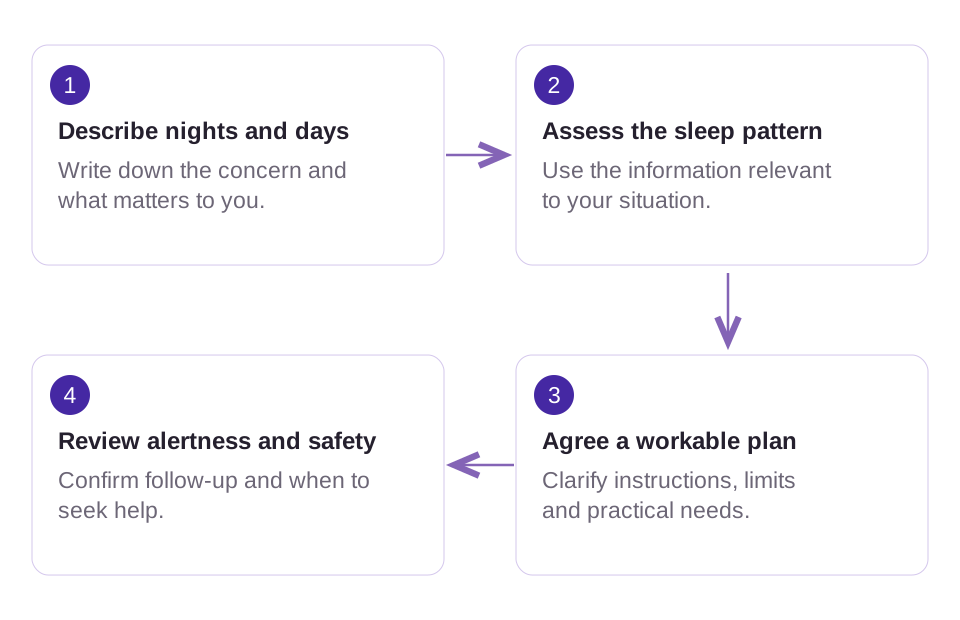
Questions for your visit
- Which findings would explain the concern I have described?
- How would the proposed test or treatment change my care?
- What precautions apply to my medicines and health history?
- When should we review the plan, and what should prompt earlier help?
Common questions
Are fatigue and daytime sleepiness the same thing?
No. Fatigue may feel like low energy, while sleepiness involves a tendency to fall asleep. Describe both clearly because they may lead to different assessment questions.
Can a smartwatch diagnose sleep apnea?
A consumer sleep report is not a clinical diagnosis. Discuss symptoms such as snoring, witnessed breathing pauses and persistent sleepiness with a clinician who can decide whether testing is needed.
What is CBT-I?
It is cognitive behavioral therapy for insomnia, a structured treatment commonly used first for long-term insomnia. It goes beyond general bedtime advice and should be adapted to your circumstances.
Can I mix an allergy tablet with a sleep aid?
Ask a pharmacist or prescriber before combining them. Some allergy products are sedating, and combining sedatives or alcohol can increase adverse effects and impair next-day alertness.
Will an energy supplement explain persistent tiredness?
No. Feeling temporarily more alert does not identify the cause of tiredness. Bring the ingredients and your pattern of use to an assessment rather than treating the response as a diagnosis.
What should I do if I am sleepy while driving?
Do not continue driving while struggling to stay awake. Stop safely and arrange a safe alternative, then seek appropriate assessment for persistent or recurrent daytime sleepiness.
Sources & further reading
These references provide background for the guide. Guidance and product information can change; check the original source and discuss personal decisions with your clinician.