
Make this information work for you
Notice the parts that fit your own question. Keep a short record of changes, bring your current medication list and use the questions below to prepare for a conversation. This guide cannot diagnose a condition or select a treatment for you.
Start with the symptom pattern
Look for timing and exposures
Note when symptoms occur, whether they change with the season and whether a particular environment seems to trigger them. Include nasal, eye, skin and breathing symptoms rather than assuming they all have the same cause. This information can help a clinician decide whether allergy is a likely explanation.
Similar symptoms are not identical conditions
A cold, irritation and allergic rhinitis can overlap in how they feel. Fever, significant pain or a different pattern may change the assessment. Do not keep adding allergy products when the original explanation remains uncertain or symptoms are becoming more severe.
Choosing a useful treatment goal
Describe the problem that most needs improvement: itching, sneezing, congestion, eye discomfort or poor sleep. Different products address different symptoms. A medicine that helps itching may not provide the relief you want for nasal blockage, so ask what each option is intended to do.
Keep a short list of what you have tried, how you used it and what happened. Include the exact ingredient and formulation. Brand names can cover several products, and a combination labeled for sinus relief may contain ingredients that are not present in a plain allergy tablet.
Antihistamines and alertness
Antihistamines are used for some allergy symptoms, but their effects and precautions differ. Some can cause sleepiness or impair alertness. Ask a pharmacist how a specific product fits with your medicines, work and driving, particularly if you already use sleep aids or other sedating products.
Read the label before combining treatments. Two products with different names may contain the same or similar ingredients. If a medicine affects your alertness, do not drive or perform hazardous tasks, and seek advice about a more suitable plan rather than trying to counter the effect with an energy product.

Nasal sprays and correct technique
Formulation matters
Nasal antihistamines, corticosteroid sprays, decongestants and saline products are different types of treatment. Their instructions, timing and limits are not interchangeable. Ask which product is appropriate for your symptoms and how long to use it before reviewing the response.
Ask for a demonstration
Correct technique can affect both benefit and irritation. A pharmacist or clinician can show you how to use the particular device. Report recurrent nosebleeds, pain or persistent irritation instead of assuming the product must be used more forcefully or more often.
Decongestants and other health conditions
Some cold and allergy products contain decongestants with precautions relevant to conditions such as high blood pressure or urinary difficulties. A medicine review is useful before choosing a combination product. Nasal decongestant sprays also have product-specific limits on how long they should be used.
Bring your health and medication information to the pharmacy rather than selecting solely by the strongest claim on the box. Ask which ingredients are necessary for your symptoms. A simpler product may be easier to evaluate than several overlapping treatments started together.
Managing exposure realistically
If a trigger is identified, discuss practical ways to reduce exposure without making daily life unnecessarily restrictive. The useful changes depend on whether the issue involves pollen, an indoor exposure or something else. A generic list of expensive home products may not address your actual trigger.
Keep track of whether an environmental change helps and what it costs or requires to maintain. If you use a nasal rinse, follow its safety instructions, including the recommended water preparation. Ask a professional if you are unsure about a device, solution or cleaning procedure.
You don’t need all the answers before asking for help
A clear description of what changed is a useful starting point.
When an allergy specialist may help
Persistent symptoms, uncertainty about the cause or an inadequate response to an appropriate initial plan may justify further assessment. Testing should be selected to answer a clinical question, not simply because a large panel is available. Ask how the result would change your treatment or avoidance plan.
If longer-term options such as immunotherapy are discussed, ask about suitability, commitment, monitoring and costs. A specialist can explain how the expected benefits and risks relate to your situation. Keep follow-up arrangements clear, especially if treatment is provided in more than one setting.
Recognizing urgent symptoms
Trouble breathing, throat swelling, faintness or a rapidly developing severe reaction requires emergency care. Follow an existing emergency allergy plan, including prescribed epinephrine when indicated, and call emergency services. A routine allergy tablet should not delay urgent treatment.
For nonemergency symptoms that are worsening or unfamiliar, seek advice rather than repeatedly changing products. Tell the clinician about new medicines, foods or exposures and the timing of the reaction. Keep the packaging of a suspected product when possible, but do not delay care to collect it.
Reviewing the plan through the season
At follow-up, discuss which symptoms improved and what remains troublesome. Include adverse effects, missed doses and difficulties using sprays. This makes it easier to distinguish an unsuitable treatment from a problem with instructions or an incorrect initial assumption.
Ask when to continue, reduce or stop seasonal treatment under the agreed plan. Record the ingredients that helped and any products you should avoid. A clear plan for the next season can be more useful than starting a new assortment of products whenever symptoms return.
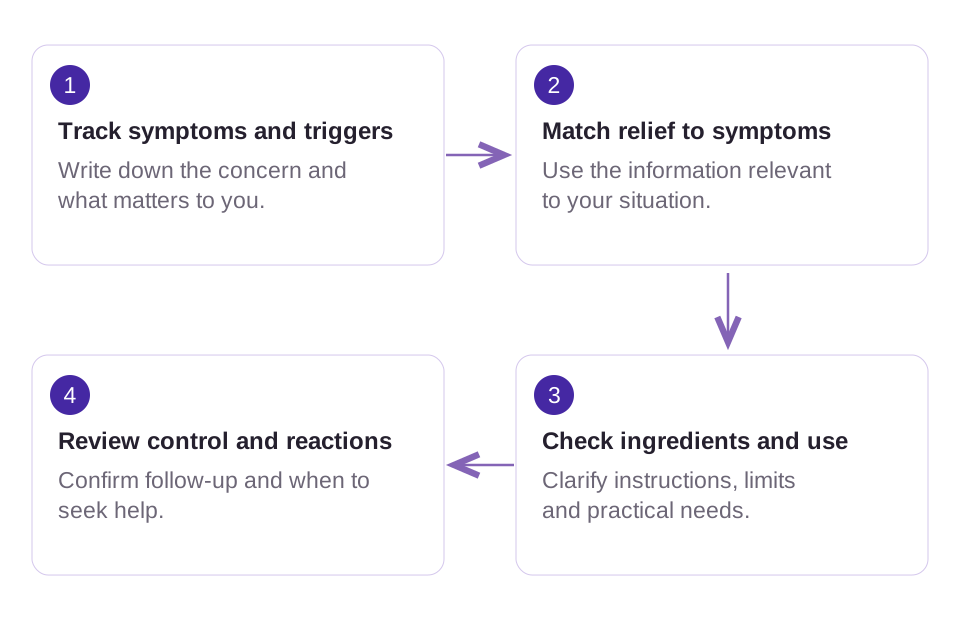
Questions for your visit
- Which findings would explain the concern I have described?
- How would the proposed test or treatment change my care?
- What precautions apply to my medicines and health history?
- When should we review the plan, and what should prompt earlier help?
Common questions
Can a cold look like a seasonal allergy?
Yes, some symptoms overlap. Timing, triggers and associated symptoms help distinguish them. Seek advice if the pattern is unclear, symptoms worsen or repeated allergy treatment does not help.
Do all antihistamines cause the same sleepiness?
No. Effects differ between products and people. Ask about the specific medicine and avoid driving or hazardous activities if it makes you sleepy or impairs alertness.
Are all nasal sprays interchangeable?
No. Antihistamine, corticosteroid, decongestant and saline products have different roles and instructions. Check the exact formulation and ask how long to use it before review.
Can two sinus products contain overlapping ingredients?
Yes. Different brand names may contain the same or similar medicines. Read the active ingredients and ask a pharmacist before combining products.
Can an allergy tablet treat a severe allergic emergency?
Do not rely on it. Breathing difficulty, throat swelling or faintness can require emergency treatment. Follow your prescribed emergency plan and call emergency services without delay.
When should I ask about allergy testing?
Discuss testing when the cause is uncertain or symptoms remain troublesome. The test should answer a specific clinical question and have a clear role in the next treatment decision.
Sources & further reading
These references provide background for the guide. Guidance and product information can change; check the original source and discuss personal decisions with your clinician.